
Blog
Post-Tension Foundation Repair Inspection in Laveen & Phoenix: The Part of the Repair You'll Never See Again
Why an independent engineer's sign-off is worth the small cost when you repair a post-tension slab in Arizona.
Once a foundation repair is finished, it's gone from view. The dirt goes back, the new patch looks clean, and the rock gets raked over it. Whether it was done right or not, it looks the same from the street.
That's why we offer foundation repair inspections. Our engineer and field team visit the site before, during and after the work, capturing photos, measurements and field data at every critical stage. A licensed Professional Engineer then reviews everything and certifies that the work was done right. We serve homeowners in Laveen and throughout Phoenix. Here's a recent post-tension foundation repair right here in Laveen that shows how it works.
The problem: rusting post-tension steel in a Laveen foundation
The home was built on a post-tension foundation, which is common in Laveen and across Phoenix. Steel cables called tendons run through the concrete about every 3 to 4 feet, front to back and side to side. The tendons are pulled to roughly 80% of their breaking strength and locked into cast-iron anchors at the edge of the slab. That tension is what holds the foundation together.
When moisture gets to those anchors, the steel rusts. Rusting steel expands and cracks the concrete around it. The homeowner saw cracked and crumbling concrete along the base of the house, where the slab edge shows under the stucco.
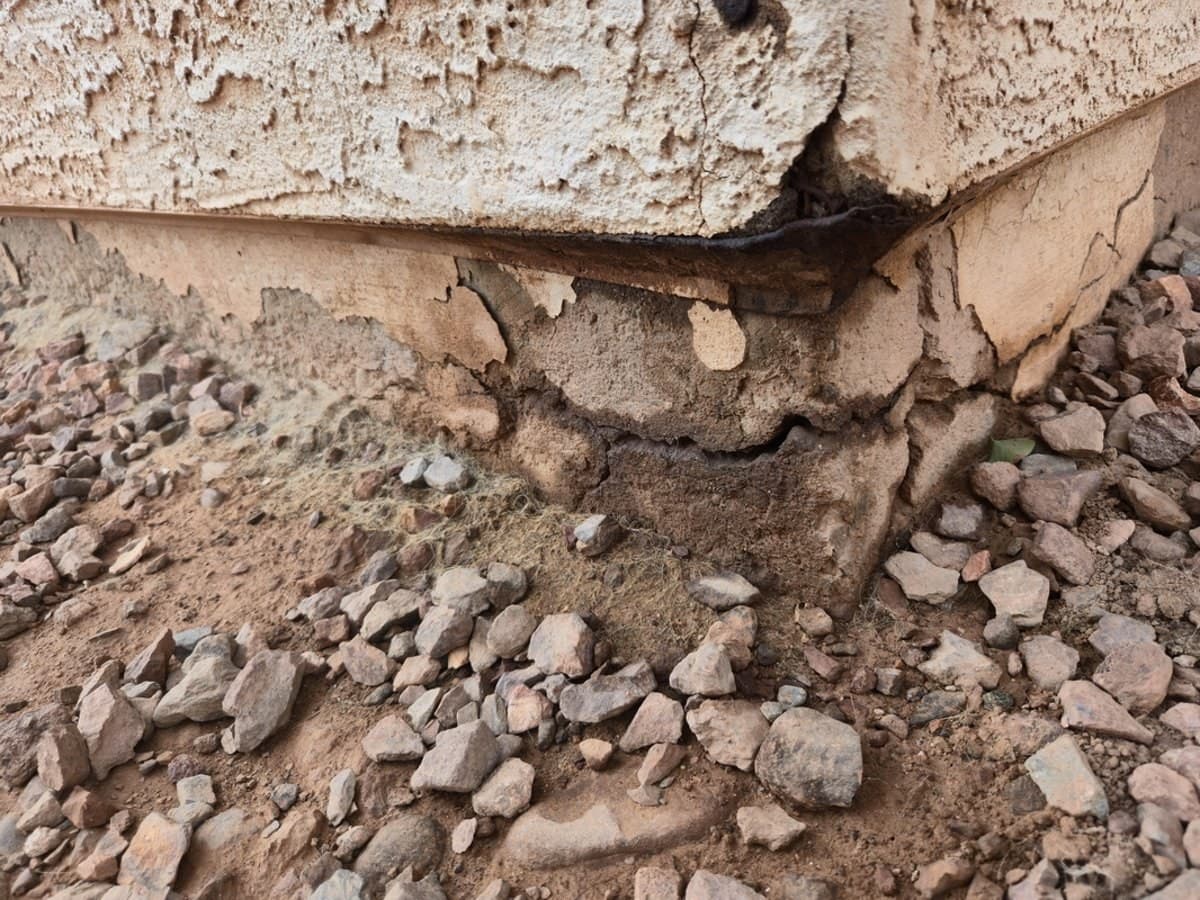
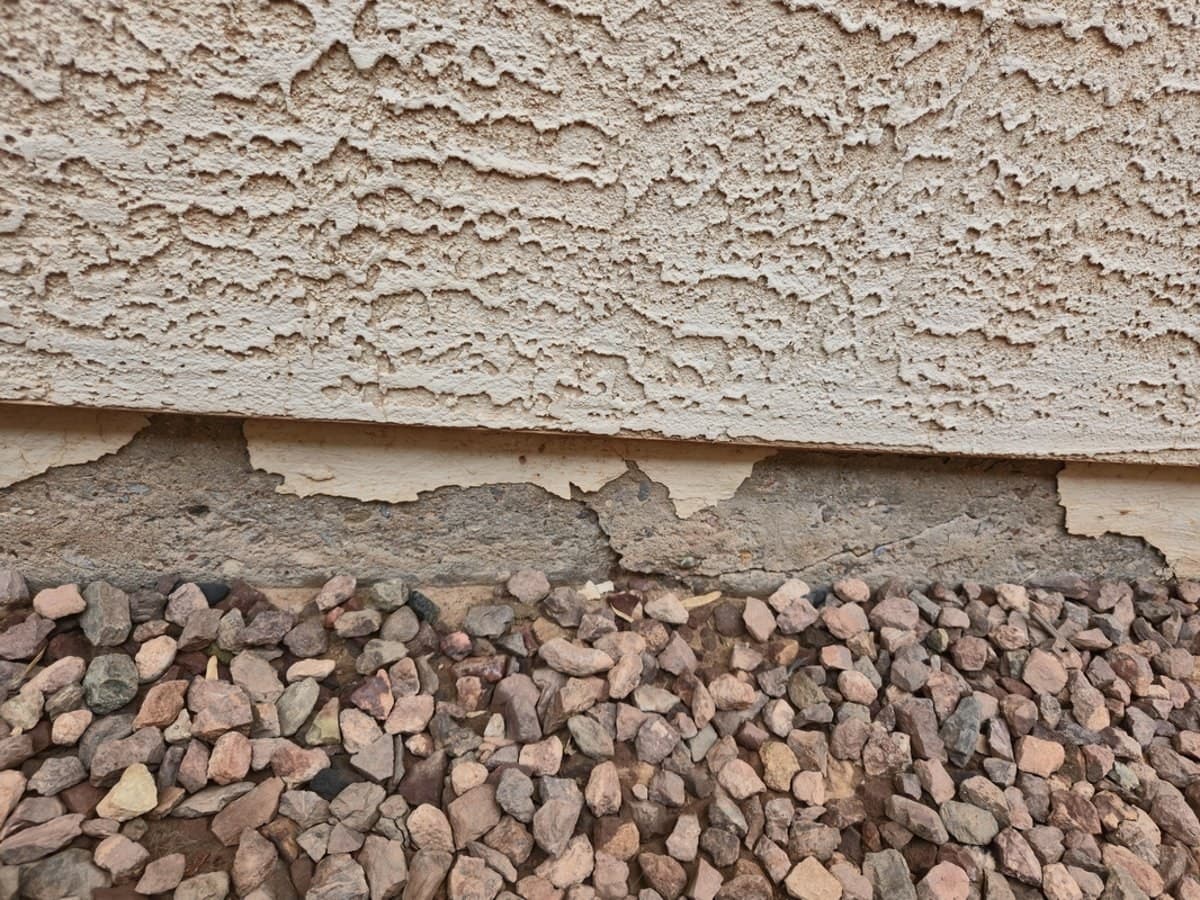
Before: the slab edge cracking and breaking away beneath the stucco.
When the contractor opened it up, four tendons and their anchors had rusted badly enough that the whole assembly had to be replaced. Three ran side to side and one ran front to back. The rest of the anchors were in good shape and only needed cleaning, sealing and a new patch.
What our foundation repair inspection verified, step by step
We coordinated with the repair contractor so our team was on site at each critical stage. Here's what we verified:
1. All the loose and damaged concrete was chipped out around every anchor, so the new material had solid concrete to bond to.
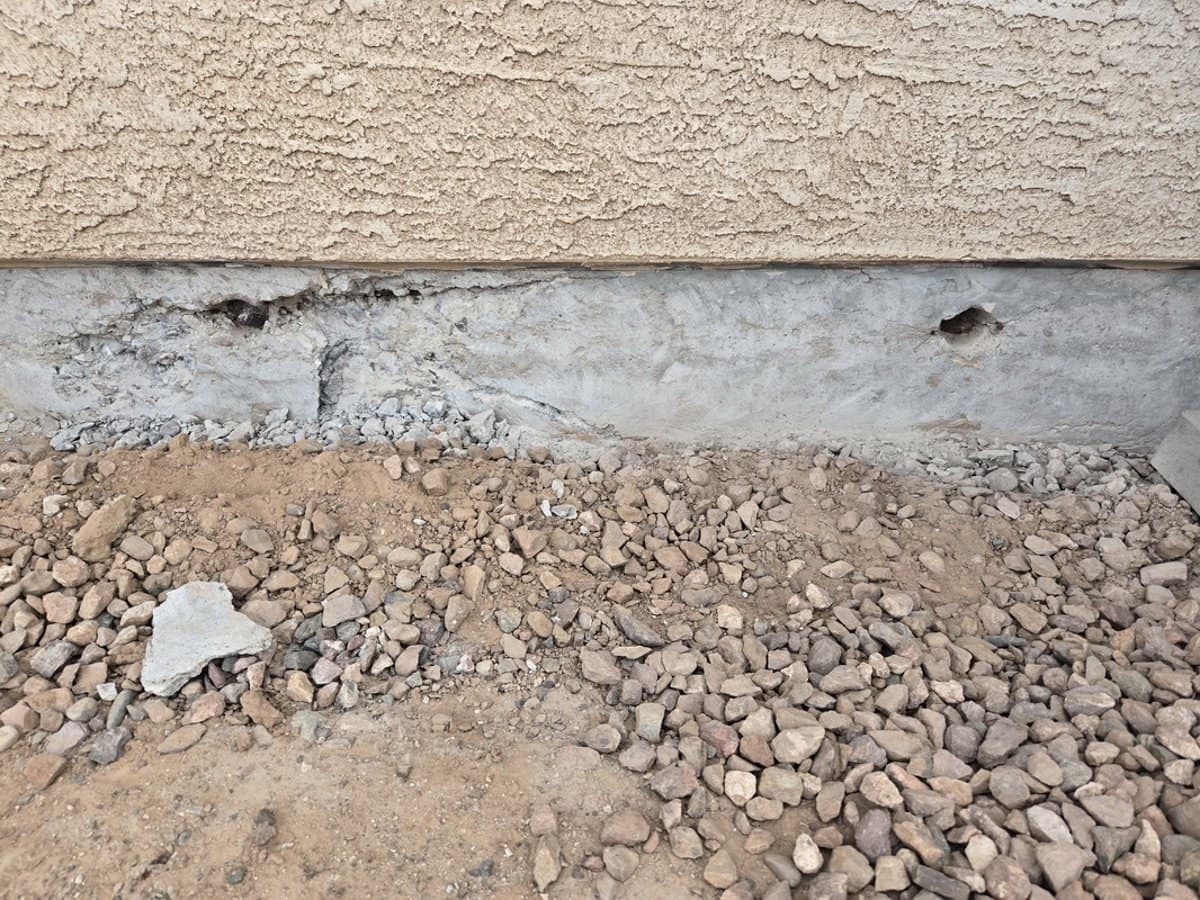
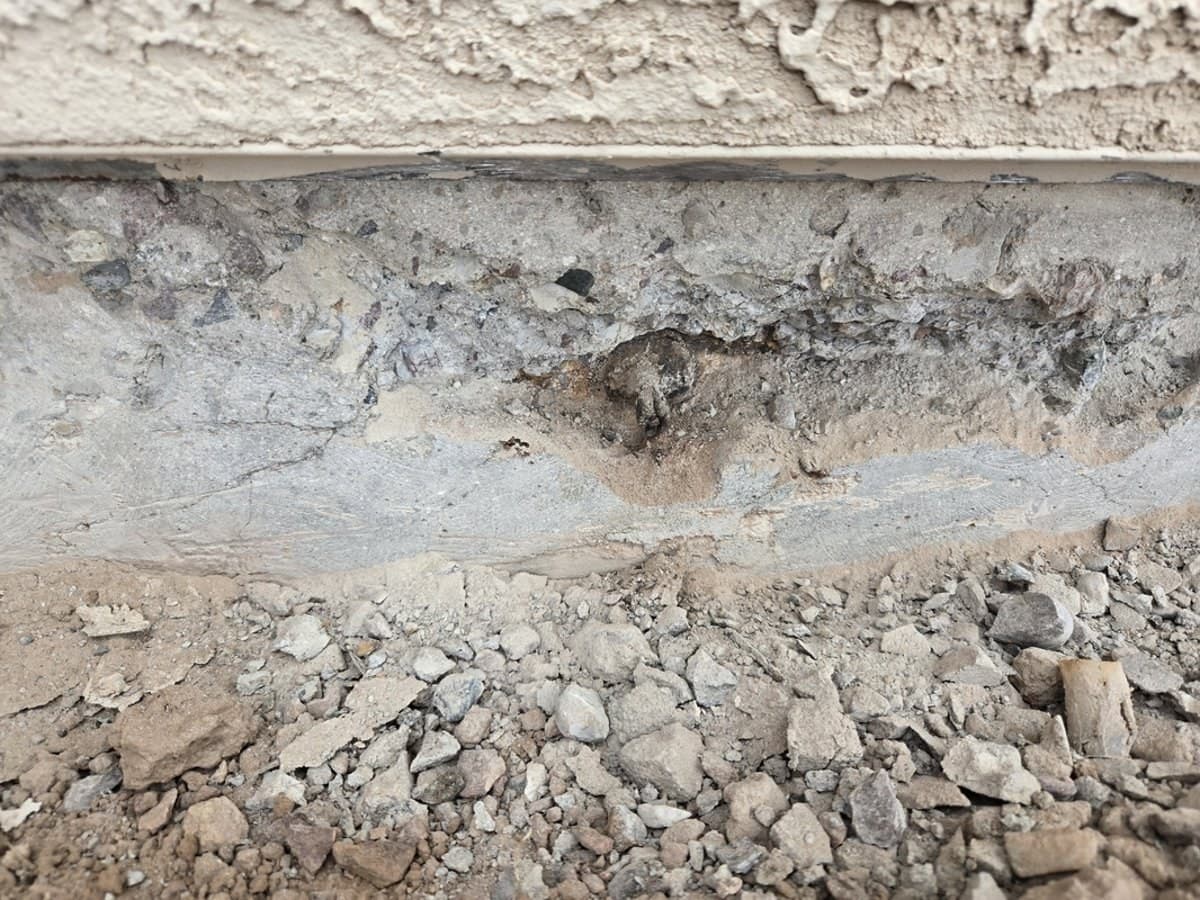
During: damaged concrete removed and the anchors exposed.
2. The four rusted tendons and anchors were fully removed and replaced. New steel tendons were threaded through the existing sheathing into new cast-iron anchors.
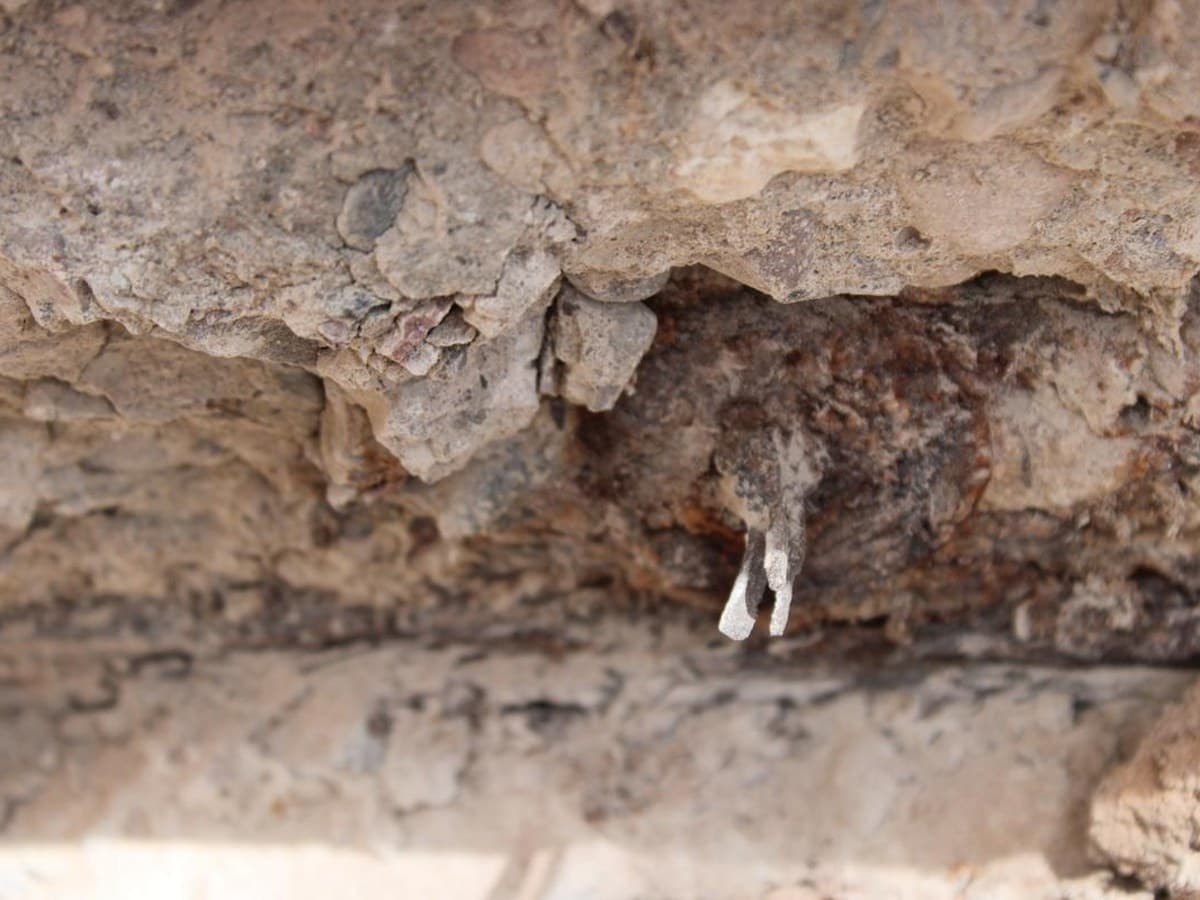
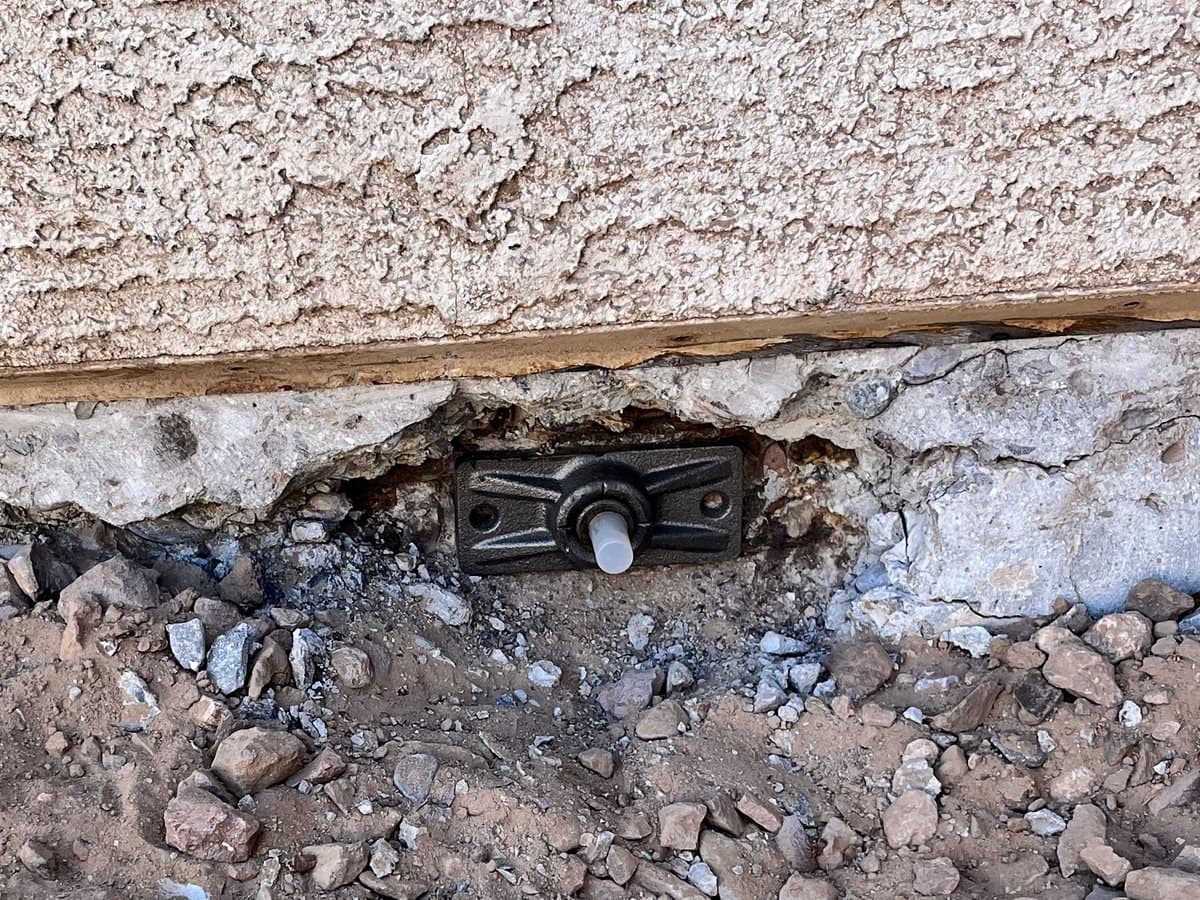
During: a rusted anchor and tendon end (left) and a new anchor installed in its place (right).
3. The new tendons were stressed to the specified force. This is the step nobody can check afterward. A tendon that isn't tensioned properly doesn't do its job, and nothing on the outside will tell you.
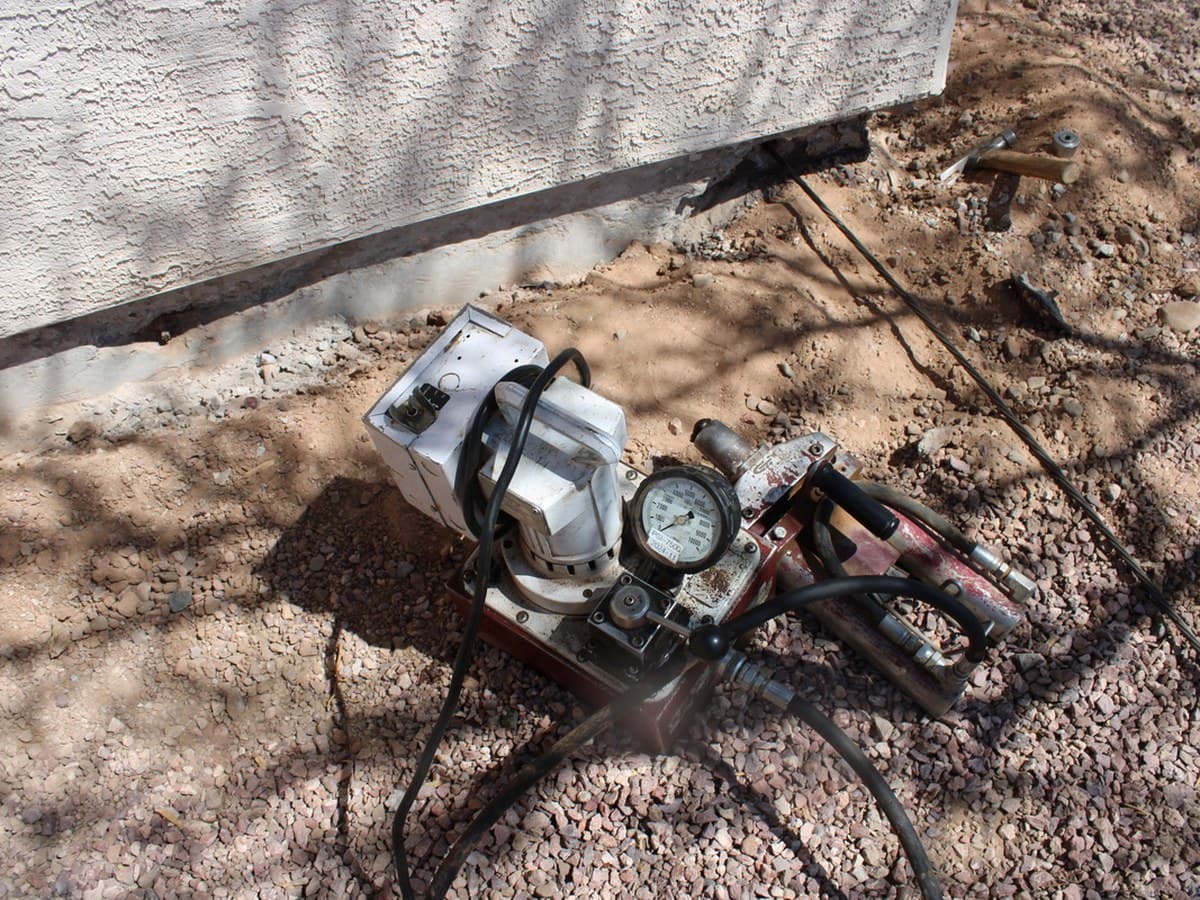
During: the hydraulic jack and calibrated pressure gauge used to stress the new tendons.
4. The right materials were used, in the right order: a bonding and sealing agent on the exposed cleaned steel and concrete, then a high-strength repair mortar is packed by hand and troweled smooth.
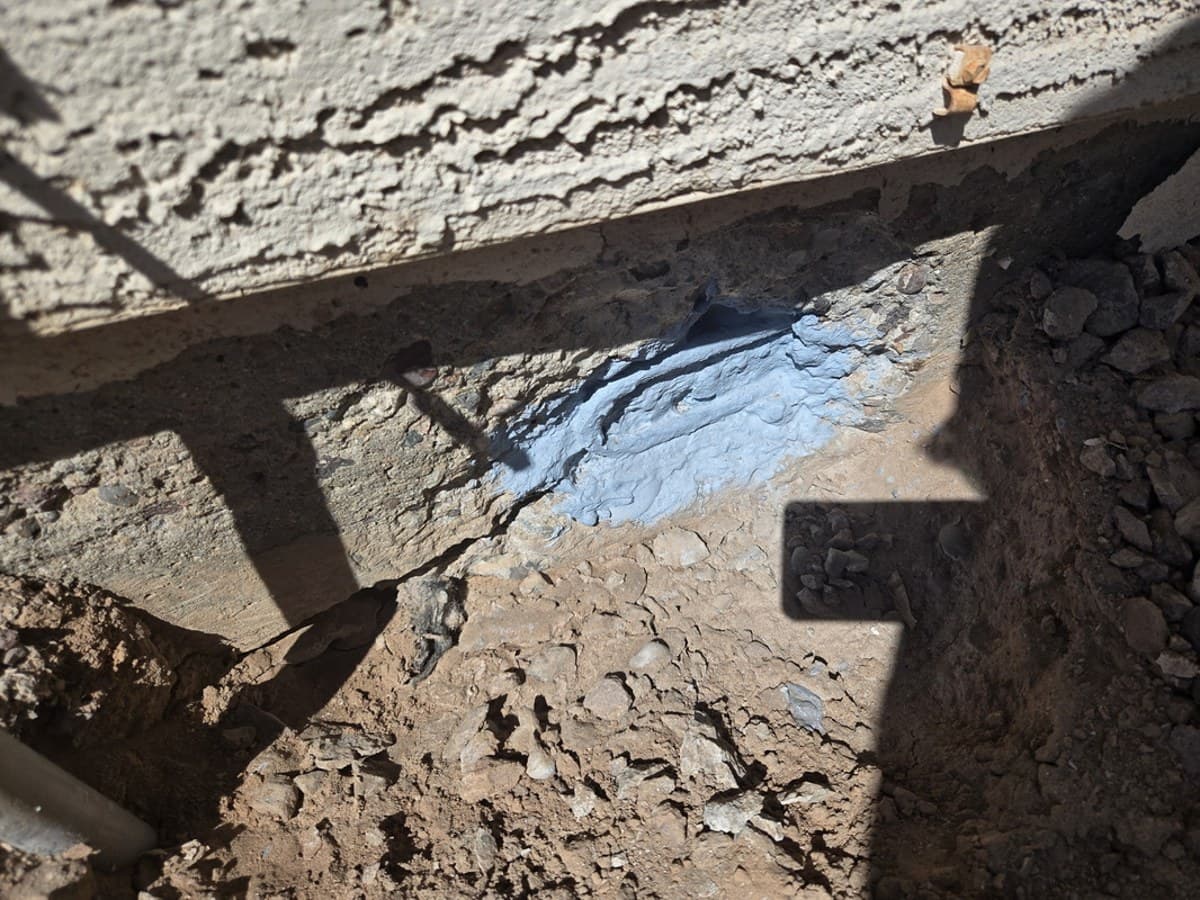
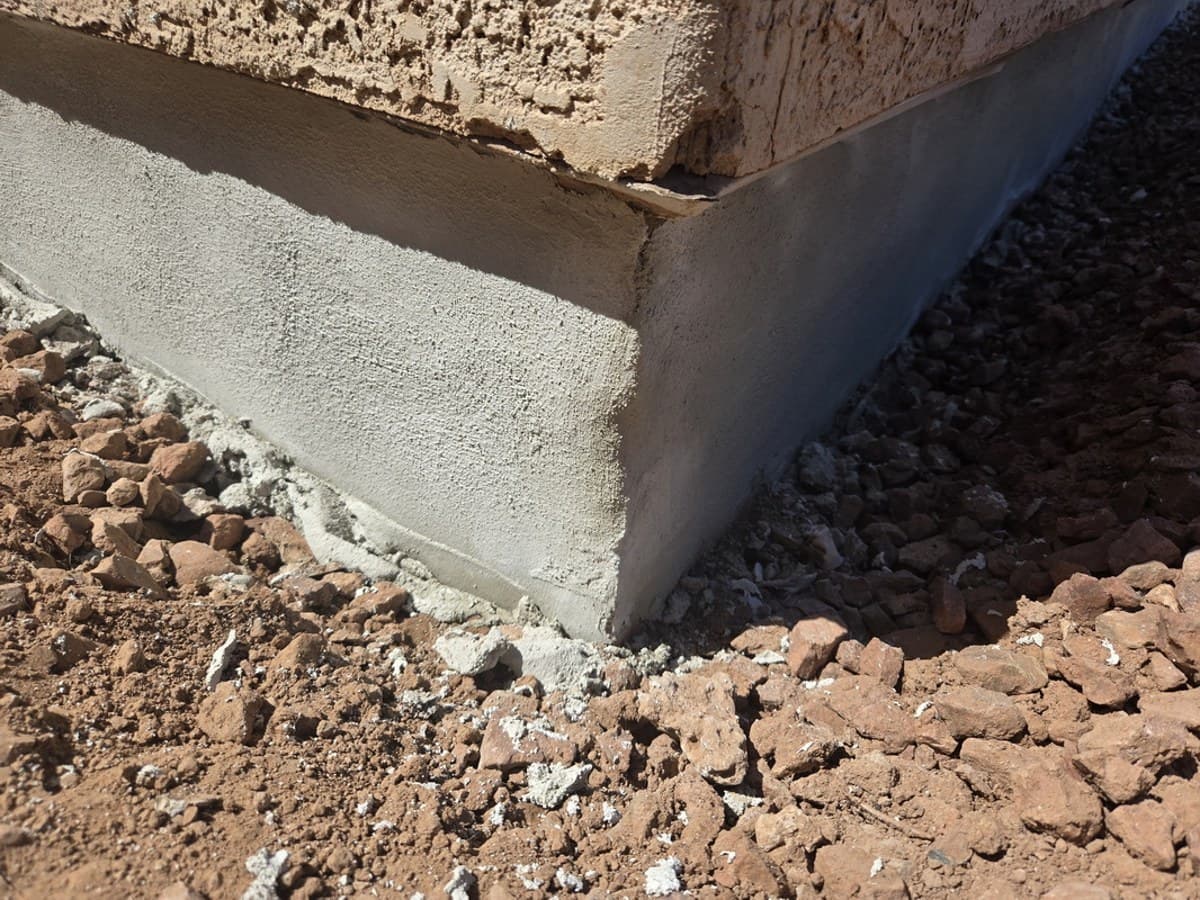
During: exposed steel coated with the anti-corrosion bonding agent (left), then high-strength repair mortar troweled smooth (right).
5. The excavation was backfilled once the repairs were done.
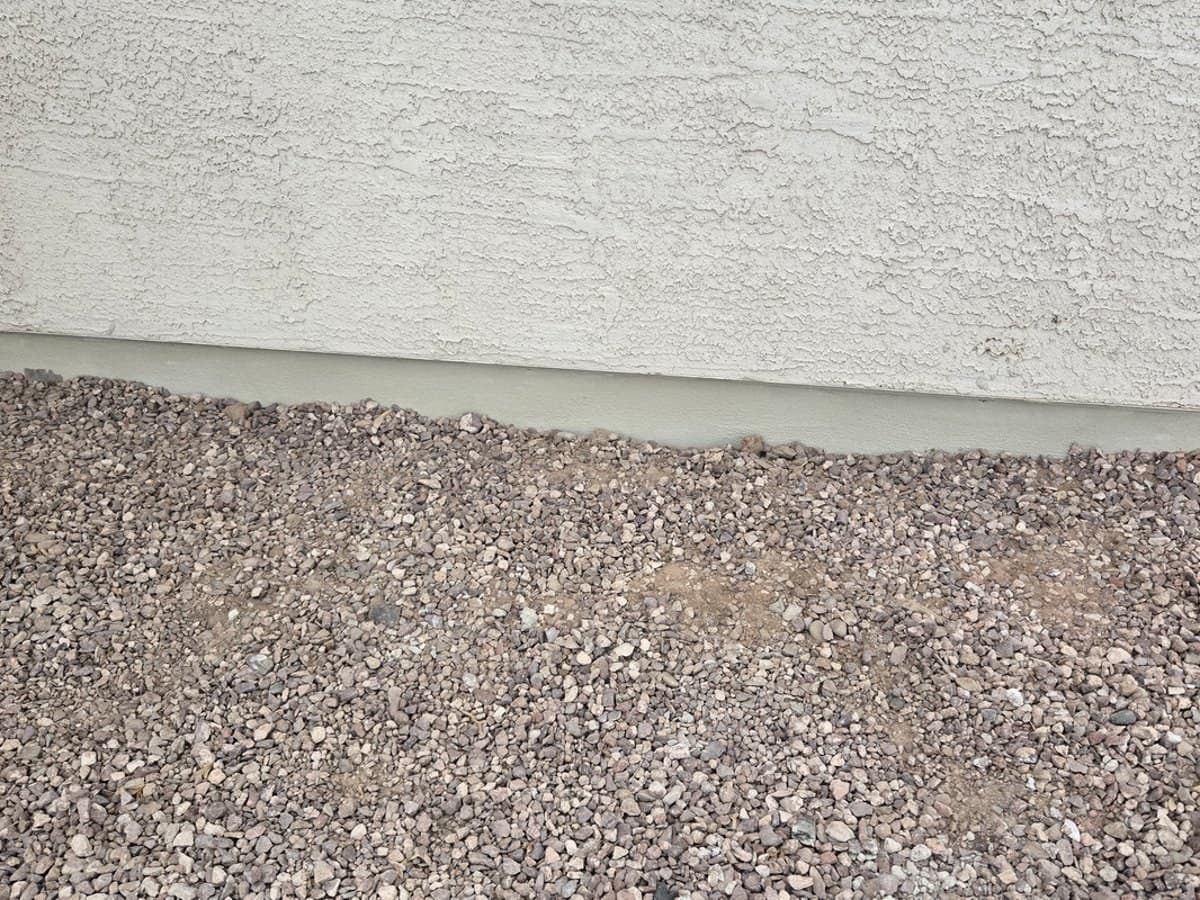
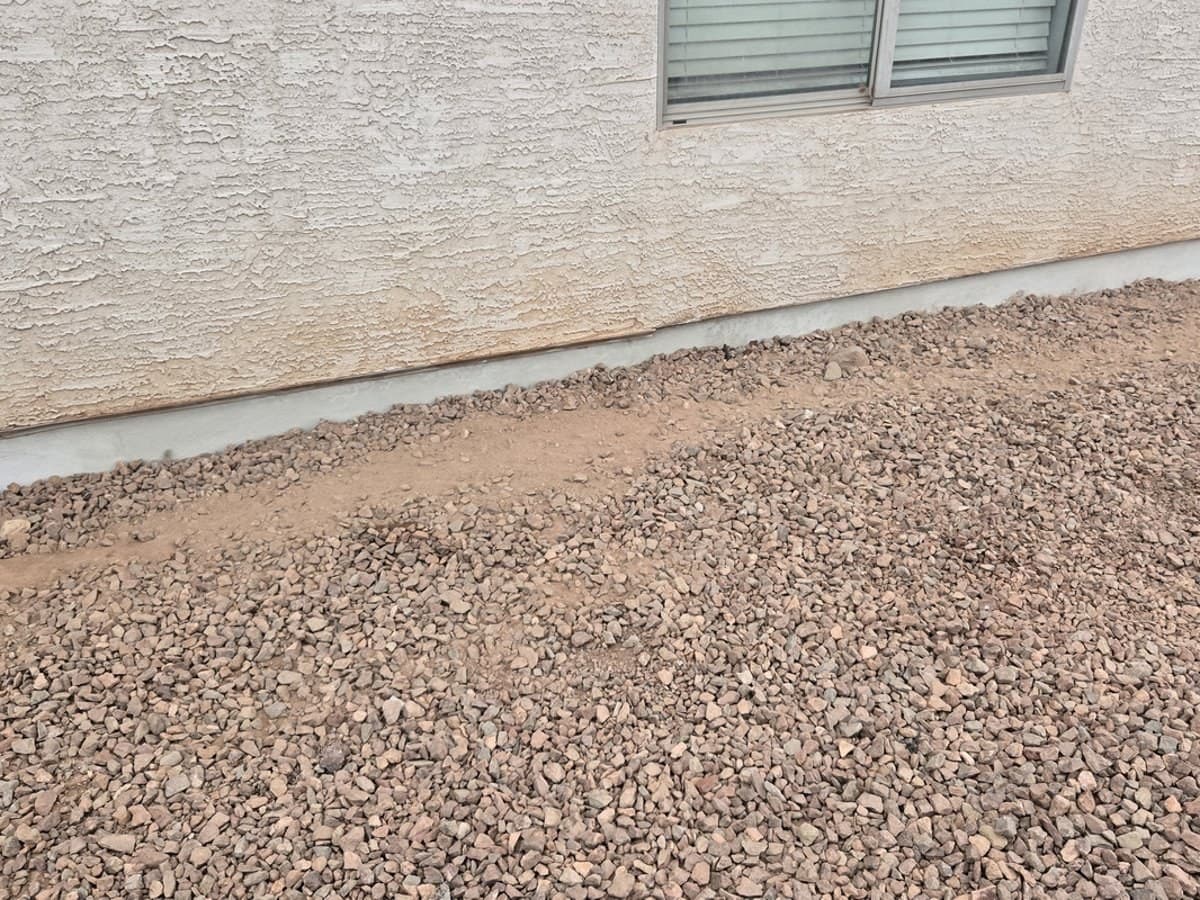
After: repair completed and backfilled.
The result: a certified foundation repair
This job passed. Our engineer reviewed every stage of the work before signing off, and the report concluded the repair was "performed in substantial accordance with industry standards of practice including methods and materials." It's signed and sealed by an Arizona-licensed Professional Engineer.
That's the outcome everyone wants. The contractor did good work, and now the homeowner has proof of it.
Why a foundation repair inspection is worth the cost
You get one chance to check. After covering the anchors with patch material and backfilling, the only way to check the work is to dig it back up and remove the mortar. Our engineer and field team have to be there while the slab edge is open. That's the window, and we don't miss it.
The most important parts are the ones you can't see. Whether the damaged tendons were replaced, tendons tensioned correctly, whether the bonding agent went on before the mortar, and whether all the bad concrete came out are the things that decide if the repair lasts. They're also buried by the end of the job.
A contractor's warranty isn't independent. A warranty is the contractor's promise about their own work, and most contractors mean it. An engineer-led inspection from an independent firm with nothing to gain from the job gives you a second opinion from someone who works for you.
It helps when you sell. Buyers' inspectors notice patched slab edges, and "foundation repair" in a disclosure makes buyers nervous. An engineer's report showing what was done and that it was done right answers their questions before they turn into a potential price reduction.
It's a small cost next to the repair. Replacing post-tension tendons is a major job. For a fair and reasonable fee, you get a record of the work you can keep for as long as you own the home.
Good contractors don't mind. It isn't about catching anyone slipping up. It's about documenting the work. A contractor who does it right, like the one on this job, comes out with a signed report backing them up.
Foundation repair inspection FAQ
How much does a foundation repair inspection cost?
It depends on the scope of the repair and how many site visits it takes to document each stage. Call us with the details of your repair and we'll give you a quote before any work begins.
What are post-tension cables?
Post-tension cables, or tendons, are high-strength steel strands cast inside many slab foundations in Laveen and across Phoenix. They are tensioned after the concrete cures and anchored at the edge of the slab, which helps the foundation resist cracking and movement.
What are signs of post-tension cable corrosion?
Common signs are horizontal cracks, flaking or crumbling concrete along the bottom edge of the slab, and rust stains near the anchor pockets. Rusting steel expands and pushes the concrete apart from the inside.
Why hire an independent inspector if my contractor offers a warranty?
A warranty is the contractor's promise about their own work. An independent inspection documents what was actually done, and the signed engineering report gives you proof for future buyers, insurers or warranty claims.
When should I schedule the inspection?
Before the repair starts. The most important steps are covered up once the anchors are patched and the excavation is backfilled, so the inspection has to be planned around the contractor's schedule.
Schedule a foundation repair inspection in Laveen or Phoenix
If you're in Laveen or the Phoenix area and have a post-tension repair, slab repair or other structural work coming up, call us before the contractor starts. We'll set up our site visits and inspections around their schedule. You can also book online below.
Book Online